


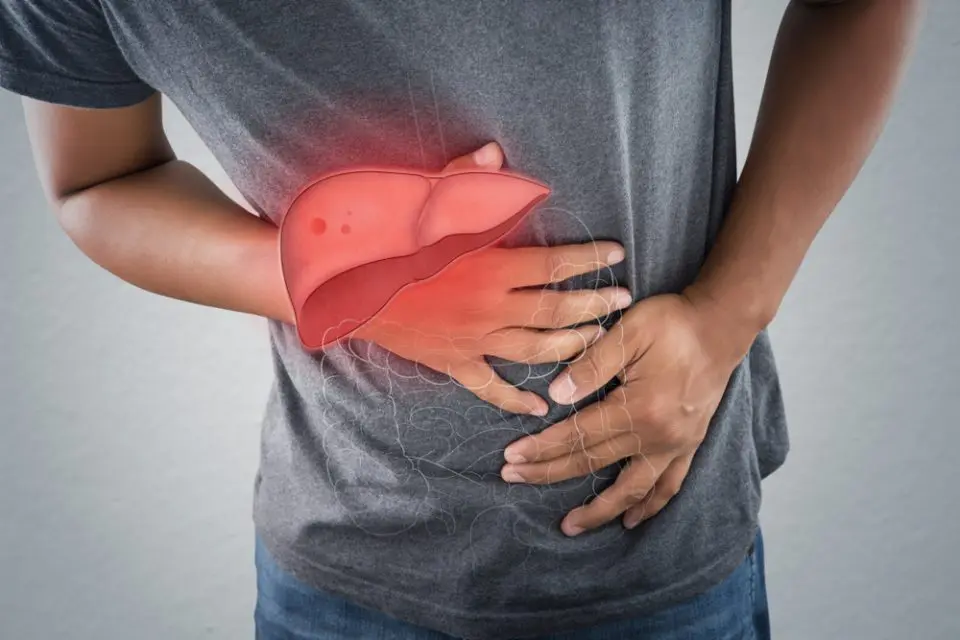

How blueberries, avocados, and walnuts are rewriting the rules on fatty liver, blood sugar, and cholesterol
The Silent Condition Affecting One in Four Americans
It rarely announces itself. No alarm bells, no dramatic symptoms — just a slow, quiet accumulation of fat in one of the body’s most hardworking organs. Non-alcoholic fatty liver disease, now clinically referred to as metabolic dysfunction-associated steatotic liver disease (MASLD), has become one of the most prevalent liver conditions in the United States. The Cleveland Clinic estimates that 20 to 30 percent of American adults carry excess liver fat — most of them entirely unaware.
The liver is no minor player. As the body’s largest solid organ, it filters toxins, metabolizes nutrients, and keeps dozens of critical biological processes running. When fat begins to accumulate there, the consequences ripple outward: fatigue, elevated cholesterol, blood sugar instability, and insulin resistance.
Risk factors are broad. Excess weight around the midsection is a primary driver, as are type 2 diabetes, high blood pressure, high cholesterol, polycystic ovary syndrome, a sedentary lifestyle, and being over 50. But here is the encouraging part — diet can make a meaningful difference. Three foods, in particular, are drawing serious scientific attention.
Blueberries and the Fat-Fighting Power of Anthocyanins
Small and easy to underestimate, blueberries have quietly earned a reputation among researchers as a potent liver ally. The credit goes to anthocyanins — the pigment compounds behind their deep blue hue and a class of antioxidants with measurable metabolic effects.
Studies suggest that daily blueberry consumption can reduce liver fat in people with NAFLD, a finding supported by imaging results. The mechanism appears twofold: anthocyanins may suppress the liver’s production of new fat while enhancing its ability to burn existing stores. Research also shows that blueberries improve insulin sensitivity, helping the body manage blood sugar more effectively, and may produce modest reductions in LDL — the cholesterol variant most closely linked to cardiovascular risk.
Scientists believe anthocyanins achieve this by regulating key enzymes and metabolic pathways that govern how the body processes fat and glucose, resulting in a more responsive insulin system and healthier cholesterol levels overall.
Avocado: The Liver-Loving Superfood Worth the Hype
Avocados have spent years riding a wave of culinary trendiness, but the science behind their benefits runs deeper than their presence on toast. Rich in monounsaturated fats, dietary fiber, and vitamin E, they offer a combination of nutrients that directly support liver health. Research points to several key benefits:
- Reduced liver fat accumulation
- Decreased inflammation and oxidative stress
- Improved insulin sensitivity and blood sugar regulation
- Modest reductions in LDL cholesterol
Animal studies published in 2022 found that avocado oil improved mitochondrial function and reduced oxidative stress — two central factors in fatty liver progression. A 2024 study reinforced this in humans, finding that regular avocado eaters showed stronger insulin sensitivity and more stable blood sugar responses. Vitamin E, abundant in avocados, also acts as a protective antioxidant for liver cells, while the fruit’s fiber content supports satiety and weight management — one of the most critical levers in reversing fatty liver disease.
A practical starting point: half an avocado three to five times per week, mashed on whole-grain toast, sliced into a salad, or added to a grain bowl. At roughly 120 calories per half, it is nutrient-dense but worth portioning mindfully.
Walnuts: The Crunchy Liver MVP
Among the many foods linked to liver health, walnuts occupy a particularly compelling position. A 2019 study tracking nearly 24,000 individuals found that higher nut consumption correlated with a significantly lower risk of developing fatty liver disease — and among all nuts studied, walnuts stood out. Their nutritional profile explains why:
- Omega-3 and omega-6 fatty acids
- Exceptionally high antioxidant content
- Polyphenols with potent anti-inflammatory properties
These compounds work together to reduce inflammation, support metabolic function, and limit fat accumulation in the liver. A 2021 clinical study found that participants who ate just one ounce of walnuts daily — as part of a Mediterranean-style diet — lost significantly more liver fat than those who did not. Importantly, the improvements extended beyond fat loss: overall metabolic health markers improved as well. For a food requiring zero preparation, the return is remarkable.
Why These Three Liver Foods Work
What connects blueberries, avocados, and walnuts is not just their individual nutrient profiles, but how each targets the overlapping metabolic problems that drive fatty liver disease: chronic inflammation, insulin resistance, oxidative stress, and lipid imbalance. No single food reverses a chronic condition alone — but the evidence increasingly points to a diet anchored in anti-inflammatory, antioxidant-rich whole foods as one of the most effective tools for shifting liver health in the right direction. For the millions carrying excess liver fat without even knowing it, that is a quiet revolution worth paying attention to.
Source: Newsner Stories

