


These visionary fragrance founders are rewriting the rules of luxury scent — one bottle at a time.
For generations, the luxury perfume and fragrance world told a very narrow story — one told largely in French and Italian, by houses that rarely reflected the lived experiences of Black consumers. The bottles were beautiful, the marketing aspirational, but the storytelling left a gap wide enough to walk through. And walk through it they did.
A bold wave of Black fragrance founders is now reshaping the industry from the inside out, creating scents rooted in culture, memory and identity. These aren’t simply perfumes — they are olfactory archives, emotional landscapes and acts of creative resistance. From gourmand blends that recall childhood kitchens to woody compositions that rival the most storied European ateliers, the work being done by these seven brands is nothing short of transformative.
Brown Girl Jane
Co-founded by Malaika Jones, Nia Jones and beauty executive Tai Beauchamp, Brown Girl Jane began as a wellness brand before evolving into one of the most emotionally resonant fragrance lines in the market today. Each scent is designed to evoke transformation — joy, stillness or wanderlust wrapped in a bottle.
Lamu, a standout in the collection, opens with coconut water and sage before settling into driftwood — an escape to a sun-drenched coastline without ever leaving your bathroom. The brand also made history as one of the first Black woman–owned fragrance labels to land shelf space at Sephora, signaling a meaningful shift in who gets to define luxury beauty.


World of Chris Collins
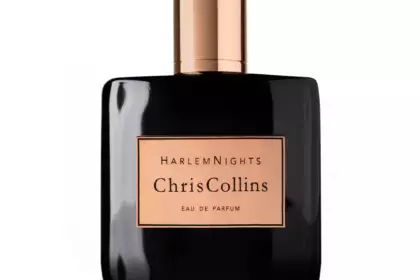
If Harlem had a signature scent, it might just be bottled by Chris Collins. The former Ralph Lauren model channeled the neighborhood’s legacy of elegance, artistry and cool confidence into a luxury fragrance house that wears its roots proudly.
Harlem Nights, one of the brand’s most celebrated offerings, layers rum, saffron and vanilla into a composition that feels like a velvet booth at a jazz club circa 1958. Rich, refined and deeply intentional, World of Chris Collins is luxury defined on its own terms.

Moodeaux
Brianna Arps turned pandemic-era loss into one of the most compelling origin stories in modern beauty. After losing her job, she channeled her passion for fragrance into Moodeaux — a brand built on the belief that scent is a form of emotional self-care.
Worthy, the brand’s most beloved fragrance, wraps amber, cedarwood and creamy vanilla around the wearer like an affirmation. It is less a perfume and more a daily ritual — something you reach for not just to smell good, but to feel grounded.


Ourside
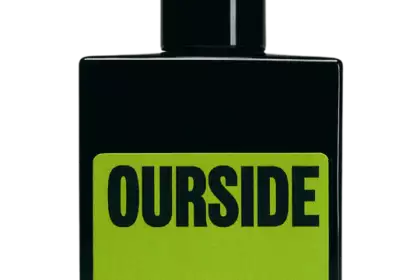
Founder Keta Burke-Williams built Ourside with a clear and radical premise: fragrance should belong to everyone. The brand’s genderless, minimalist compositions are crafted around storytelling and memory rather than conventional notions of masculine or feminine scent profiles.
Moon Dust is the kind of fragrance that makes people stop mid-conversation to ask what you’re wearing. Cedarwood and palo santo anchor a base that grapefruit and jasmine lift into something fresh and mysteriously alive. It is niche perfumery at its most accessible.

FORVR Mood & La Boticá: Community, Craft and Culture
Beauty influencer Jackie Aina extended her lifestyle brand FORVR Mood into a fine fragrance line that leans fully into mood and indulgence. I Am Her — a raspberry, pear and red velvet cake accord — reads like a celebration in a bottle, popular among younger consumers drawn to bold gourmand experiences.
On the artisan end of the spectrum, Brooklyn-based La Boticá, founded by Afro-Dominican creative director Dawn Marie West, produces small-batch perfumes in sculptural packaging that belongs in a gallery. Ethically sourced ingredients and collector-worthy aesthetics make each release feel like an event.
Together, these brands represent the breadth of what Black-owned fragrance can be — from the mainstream-accessible to the deeply niche.
Also on Our Radar: Savoir Faire
Founded by Chris Classic, Savoir Faire rounds out the conversation with gender-neutral compositions that age beautifully on the skin. Warm woods, layered musks and aromatic herbs create an evolving scent experience favored by collectors and fragrance purists alike.


Why These Fragrance Brands Are Thriving
The rise of Black-owned perfume houses is not accidental. It reflects a broader cultural reckoning in beauty — one in which consumers are actively seeking brands that mirror their values, their histories and their sense of self. Independent fragrance houses, unburdened by legacy obligations, have room to take risks that large conglomerates often won’t.
Black perfumers are using that freedom wisely. They are exploring themes of heritage, diasporic identity and joy in ways that feel fresh precisely because they have been underrepresented in fragrance for so long. The result is an expanding catalog of scents that resonates emotionally — not just aesthetically.
For fragrance lovers, these seven brands represent more than a vanity upgrade. They represent a new chapter in luxury storytelling — one in which the full range of human experience gets to take up space, one spritz at a time.

