


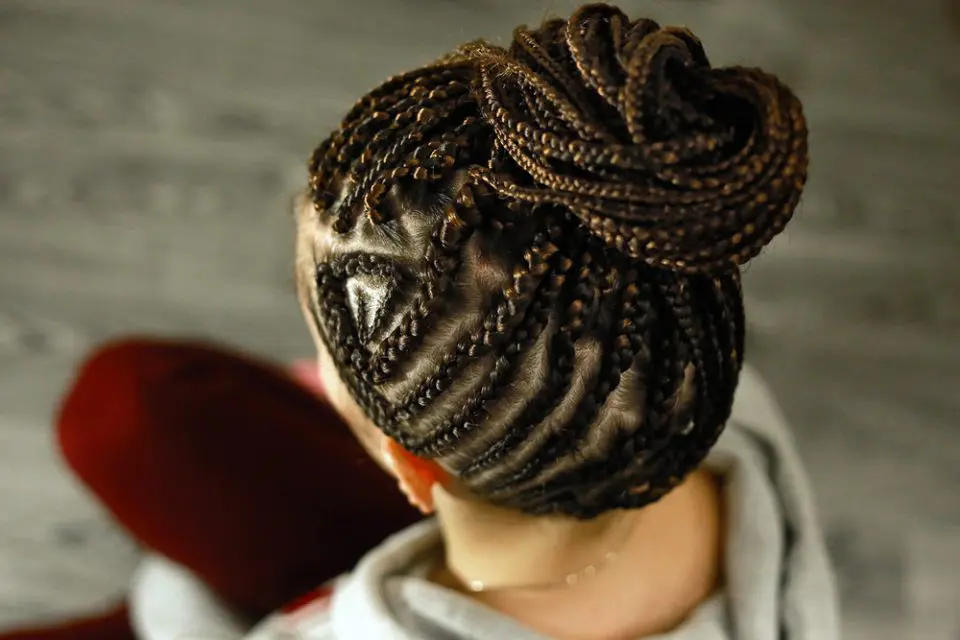

Protective styles are supposed to protect. But too often, box braids turn into tension headaches, sleek wigs start snatching edges, and twists meant to promote growth quietly cause thinning around the hairline.
For Black women especially, protective styling is more than convenience — it’s culture, versatility, and a time-saving beauty strategy. The key is making sure your style is actually preserving your hair underneath.
Here’s how to keep your braids, twists, and wigs looking fresh without tension damage.
The 3-Day Scalp Refresh Method
A neglected scalp is where most protective styles start to fail. Sweat, product buildup, and dry air can create itchiness and flaking — and scratching leads to frizz and breakage.
Instead of drowning your scalp in oil, try this simple 3-day cycle:
Day 1: Hydrate
-
Use a lightweight water-based spray (look for aloe, rose water, or glycerin).
-
Focus on your parts.
-
Massage gently with fingertips (not nails) for 2–3 minutes to stimulate circulation.
Day 2: Soothe
-
Apply a scalp serum or tonic with ingredients like peppermint, tea tree, or witch hazel.
-
Use a nozzle bottle for precision — less is more.
-
Avoid thick oils that trap buildup.
Day 3: Seal (Lightly)
-
Apply a few drops of lightweight oil (jojoba or grapeseed) to fingertips.
-
Press — don’t pour — onto the scalp.
-
Follow with a warm towel wrap for 5 minutes if your scalp feels tight.
Repeat the cycle. This keeps moisture balanced without suffocating follicles.
The Edge-Saving Nighttime Routine
Your edges don’t usually disappear during the day — they thin overnight.
Here’s how to protect them:
-
Loosen Tension Before Bed
If your braids are in a ponytail or bun, take them down. Constant pulling weakens the follicle. -
Wrap Strategically
-
Use a satin or silk scarf.
-
Tie it firmly enough to smooth but not flatten.
-
Avoid wrapping too tightly across the hairline.
-
-
Double-Layer for Wigs
-
Remove glue-based wigs at night if possible.
-
If wearing a glueless unit, take it off and let your edges breathe.
-
Apply a lightweight edge serum (not heavy gel) before wrapping.
-
-
Edge Rehab Nights (2x weekly)
Massage a peptide or rosemary-based growth serum into the hairline and leave it alone. No gel. No brushing.
Remember: edges thrive in low-manipulation environments.
How to Reduce Itch Without Over-Oiling
The biggest myth in protective styling? “If it itches, add oil.”
Over-oiling can:
-
Trap sweat
-
Feed yeast that causes flakes
-
Weigh down roots
-
Attract lint (especially in braids)
Instead, try this:
-
Use a diluted apple cider vinegar rinse on a cotton pad to gently cleanse exposed scalp.
-
Apply a scalp mist with antimicrobial ingredients.
-
Make sure your braiding hair was pre-rinsed before installation (chemical coatings often cause itching).
-
Keep your scalp dry after workouts — use a cool blow dryer setting if needed.
If itching persists beyond two weeks, it may be tension or product sensitivity — not dryness.
When to Take a Style Down
Signs of Stress Alopecia
Protective styles should not hurt beyond the first few days. If you notice any of these signs, it’s time to remove the style:
-
Persistent tenderness after 5–7 days
-
Small white bulbs around the hairline (follicle stress)
-
Redness or tiny bumps along edges
-
Thinning temples
-
Headaches triggered by touch
-
Excess shedding concentrated around perimeter
Traction alopecia starts quietly. Early intervention can reverse it. Waiting too long can make damage permanent.
A good rule:
-
Braids and twists: 4–6 weeks max
-
Sew-ins: 6–8 weeks max
-
Wigs (with proper care): Cornrows underneath should be refreshed every 4 weeks
Your scalp needs breaks just like your skin.
The Real Glow-Up
The true glow-up isn’t just neat parts and laid edges — it’s healthy hair underneath. Protective styles should:
✔ Retain moisture
✔ Minimize manipulation
✔ Reduce breakage
✔ Support growth
If your style feels painful, heavy, or irritating, it’s not protective. Healthy edges. Calm scalp. Thriving roots. That’s the real flex.

