



A new investigation from Consumer Reports is raising fresh concerns about the safety of braiding hair products after researchers uncovered heavy metals and toxic chemicals in nearly every item tested. The findings have intensified pressure on lawmakers and beauty companies to address long-standing gaps in regulation within the hair care industry.
The report analyzed 90 samples from 30 braiding hair products representing 29 different brands. Researchers examined synthetic hair, plant-based fibers, and human hair products. What they found was alarming: lead appeared in 29 of the 30 products tested, while every product contained volatile organic compounds, commonly referred to as VOCs. Some samples also carried carcinogens and respiratory irritants that experts say could pose long-term health concerns.
Human hair products reportedly contained the highest levels of lead among all categories tested, adding another layer to the growing debate around product transparency in the beauty market.
Braiding Hair and Long-Term Exposure Risks
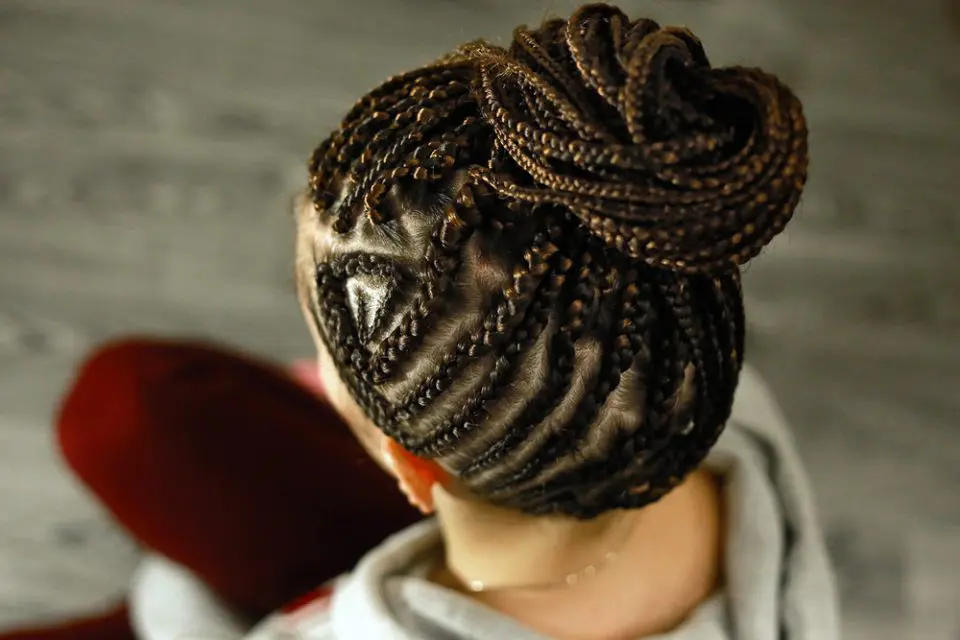
For many Black women and girls, braided hairstyles are more than beauty trends. Styles like box braids, twists, and cornrows are deeply tied to culture, convenience, and protective hair care routines. Because these styles are often worn for weeks at a time, exposure to potentially harmful chemicals may become cumulative rather than temporary.
Heat application during installation can also increase concerns surrounding inhalation and skin exposure. Researchers noted that repeated use over long periods may heighten health risks tied to toxic ingredients.
Despite the troubling findings, the study did reveal that cleaner alternatives may be possible. Some products showed little to no detectable heavy metals, suggesting manufacturers already have the ability to reduce contamination levels when stricter standards are followed.
One standout product in the report was Dosso Beauty Hypoallergenic Kanekalon Fiber Braiding Hair, which reportedly showed no detectable heavy metals during testing.
Consumer Reports Pushes for Beauty Accountability
The latest investigation echoes concerns raised in a separate study conducted by the Silent Spring Institute. Researchers there examined 43 hair extension products and found dozens of chemicals, including flame retardants and phthalates, in nearly every sample tested.
Now, advocates are calling for stronger oversight from both state and federal lawmakers.
Consumer Reports has launched a public petition urging braiding hair companies to:
- Audit supply chains
- Increase testing for toxic chemicals
- Publicly share safety results
- Improve ingredient transparency
The organization is also backing legislation designed to remove dangerous chemicals from beauty and personal care products sold in the United States.
Among the proposals gaining attention is the Beauty Justice Act in New York, which seeks to ban some of the most harmful ingredients linked to beauty and cosmetic products. Consumer Reports is additionally supporting the federal Safer Beauty Bill Package, a group of bills focused on ingredient disclosure, safety reformulation, and expanded health research for communities disproportionately impacted by toxic exposure.
Braiding Industry Faces Mounting Pressure
Several companies reportedly responded to Consumer Reports after being contacted about the investigation. While some brands challenged portions of the testing methods, others acknowledged the need for tighter oversight and additional product testing moving forward.
Brands including Rebundle, New Village Braid, and Dosso Beauty have publicly supported stronger regulations surrounding braiding hair safety.
The issue has also reignited comparisons between U.S. cosmetic regulations and standards in Europe. According to Consumer Reports, the European Union has banned more than 1,300 potentially harmful ingredients from cosmetics and personal care products, while the United States has prohibited only a small fraction of that number.
Advocates argue that because many manufacturers already produce products compliant with European standards, safer reformulation is achievable if companies are required to meet stricter guidelines domestically.
What Comes Next for Braiding Safety
Consumer Reports is continuing the conversation through a virtual forum focused on braiding hair safety, bringing together researchers, policy advocates, and health experts to discuss next steps for the industry.
The investigation has become another major flashpoint in ongoing conversations about environmental justice and beauty equity, especially for Black consumers who make up a significant portion of the braiding hair market.
As calls for transparency grow louder, many consumers are now demanding clearer answers about what exactly is inside the products they use most — and why stronger protections have taken so long to arrive.

