


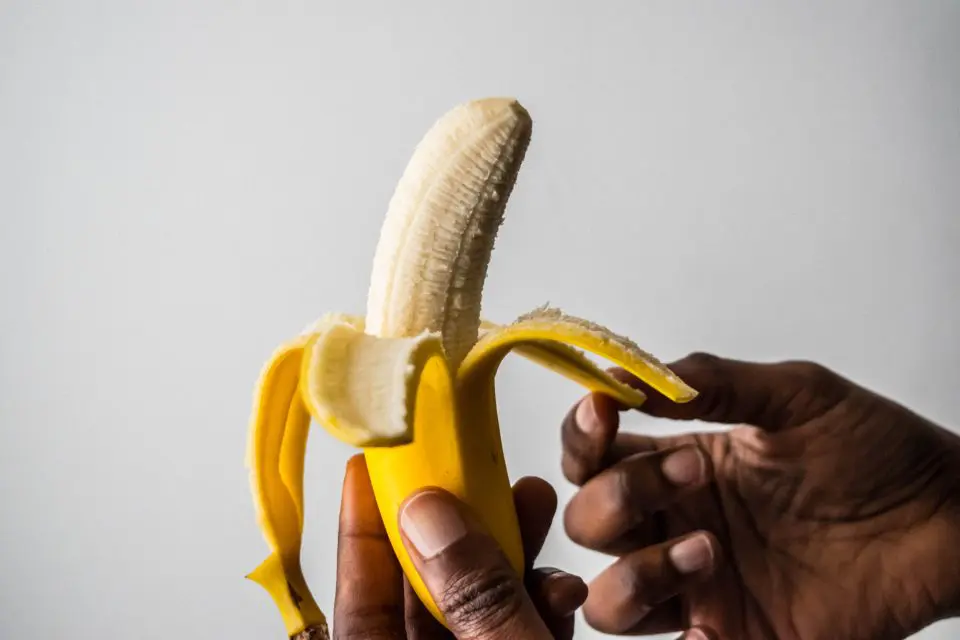

The fruit’s discarded skin is having an unlikely beauty moment, fueled by social media and centuries of traditional use. Scientists, however, urge a more measured approach.
What banana peels actually contain
The appeal of banana peels is not entirely unfounded. The skin of the fruit is far more nutrient-dense than most people realize, housing antioxidants such as lutein and phenolic compounds that help shield cells from oxidative stress. They also contain vitamins B6, B12 and C, along with minerals including potassium and magnesium — all of which play documented roles in maintaining healthy skin. The amino acids present may also support collagen production, the protein responsible for keeping skin firm and elastic. Add in the natural moisture content of the peel, and there is at least a theoretical basis for the buzz.
The skincare case for bananas
Proponents of the practice point to several potential benefits, with acne relief among the most commonly cited. The anti-inflammatory properties of the peel, the argument goes, can calm redness and reduce swelling around active breakouts when the inside of the skin is rubbed directly over the affected area. There are also claims around anti-aging: the antioxidants in the peel could theoretically guard against the free radical damage that contributes to fine lines and wrinkles, while the vitamin C content may support collagen synthesis. For those concerned with dark spots or uneven tone, the enzymes and vitamins in the peel have been said to gradually lighten discoloration over time — an effect similar to other fruit-based topical treatments. Hydration is another selling point, with the peel’s natural oils and moisture providing a temporary softening and plumping effect on the skin’s surface.
Rooted in tradition, questioned by science
This is not entirely a social media invention. Across numerous cultures, banana peels have long been applied to psoriasis patches, eczema flare-ups, minor scrapes and burns, with practitioners believing the anti-inflammatory compounds offer meaningful relief. These traditions have persisted across generations, lending the practice a certain credibility that viral trends alone cannot claim. The problem, as with many folk remedies, lies in the gap between anecdote and evidence. Rigorous, controlled clinical trials examining banana peels specifically as a skincare treatment remain scarce. Most of the supporting evidence comes from personal testimonials, not peer-reviewed research — a distinction that matters deeply when separating marketing from medicine.
Real limits, real risks
Even enthusiastic proponents should be clear-eyed about the limitations. For anyone with a banana allergy, topical application carries the same risks as eating the fruit and should be avoided entirely. Sensitive skin types may also experience irritation, even without a known allergy. Bacterial contamination is another concern — a peel that has touched an unclean surface before being applied to the face introduces unnecessary risk. Beyond these specific cautions, the broader limitation is perhaps the most important: banana peels are not a substitute for clinically validated skincare ingredients. Products formulated with retinoids, niacinamide, hyaluronic acid or other rigorously studied compounds have decades of research behind them, and will consistently outperform a piece of fruit rind.
The bottom line on this banana trend
Banana peels occupy a peculiar spot in the skincare conversation — somewhere between genuinely interesting and wildly overhyped. They contain real compounds with real biological activity, and the centuries of traditional use are not nothing. But expecting dramatic, lasting transformation from a piece of kitchen waste is a stretch. At best, they offer mild, temporary benefits for some skin types, making them a low-cost, low-risk experiment rather than a reliable cornerstone of any serious skincare routine. The peel has its moment — just keep your expectations as grounded as your compost bin.

