


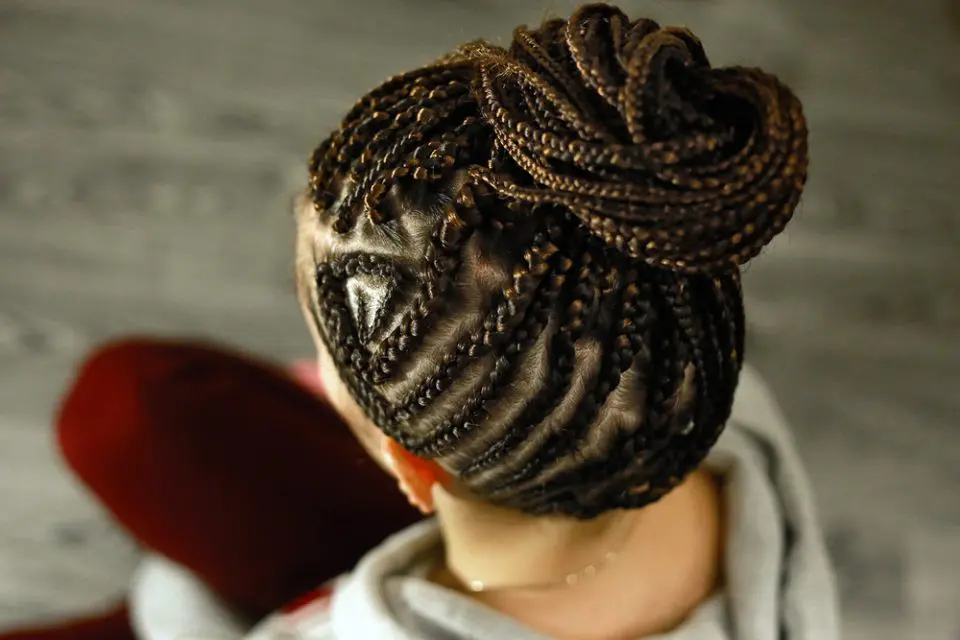

Your favorite protective style may not be protecting much if a few common habits have crept into your routine
For many Black women, a fresh set of braids is more than a look. It is a reset button, a break from marathon wash days and rushed morning styling. Knotless braids, box braids, cornrows and twists all promise less daily handling and a better shot at keeping hard-earned length.
But the protection in a protective style is not guaranteed. What happens in the weeks between appointments can determine whether hair comes out stronger or noticeably thinner, especially along the edges, where strands are most fragile. Tight installations, heavy extensions, neglected scalps and hurried takedowns can quietly undo the benefits.
Braids should never hurt
A sore scalp is often treated as the price of a neat style. It is actually a warning. Tenderness, a forehead that feels pulled taut or small bumps along the hairline signal that braids are straining the follicles.
That kind of repeated pulling is linked to traction alopecia, a form of hair loss that the American Academy of Dermatology notes disproportionately affects Black women because tension-heavy styles are so common in Black hair care. Weight makes it worse. Long extensions, dense synthetic hair and heavy accessories all add to the load that natural strands must carry.
The fix starts in the chair. Ask for a gentle installation, particularly around the edges, and consider shorter or lighter extensions. If the pain lingers after you leave, have the braids loosened or removed rather than waiting it out.
The calendar matters more than you think
Stretching a style for a few extra weeks can feel like a smart way to save time and money. But as new growth comes in, roots loosen, shed hairs get trapped and buildup accumulates, making removal harder.
Timelines vary by style and hair texture, though the American Academy of Dermatology advises keeping braids in no longer than six to eight weeks. Watch the roots and hairline, take the braids down early if tangling or thinning appears and give your hair a break before the next install.
Clean scalp, lighter hand
A tidy-looking set of braids can hide a scalp that needs attention. Sweat, oil, dead skin and product pile up between the parts, especially for women who work out often or live in hot, humid climates. Spritzing braids again and again without actually cleansing only adds residue.
Wash the scalp on a schedule that fits your lifestyle, using a gentle shampoo focused on the roots and letting the suds rinse through the length. Make sure everything dries completely. A light, braid-friendly leave-in can help if natural hair feels parched underneath.
The same restraint applies to oils, gels and edge control. Heavy products coat the scalp and make cleansing harder, while brushing edges flat with strong-hold gel stresses the hairline. Oil can help lubricate strands, but it is not a substitute for water-based moisture, and it cannot undo damage from tension.
How you style braids day to day
Part of the fun of braids is their versatility, from sleek high ponytails to dramatic topknots. The risk comes from cinching the same sections tightly day after day, which can strain the temples, edges and nape even when the original installation felt fine.
Rotate looks, keep ponytails and buns loose and swap tight elastics for soft scrunchies. At night, keep braids loose or down and use a satin or silk bonnet or pillowcase to reduce friction.
Taking braids down without losing ground
Even a well-maintained style can end in breakage if the removal is rushed. Yanking out extensions, snipping too close to natural hair or raking a comb through shed strands can cause damage that undoes weeks of care.
Work section by section, finger-detangling as you go, and be certain where the extension ends and your own hair begins before cutting. A slippery conditioner or detangler eases knots, followed by fingers or a wide-tooth comb to lift away shed hair.
Some shedding is normal, since hair that would usually fall out daily stays trapped in the braids. Short, snapped pieces, ongoing thinning, bald spots, a receding hairline or persistent tenderness and bumps are another matter and warrant a visit to a board-certified dermatologist, because prolonged traction can cause permanent loss.
Healthy braids are not measured by how long they last or how slick they look. They are measured by what is left when they come out.

