


Korean beauty’s most coveted complexion trend promises poreless, mirror-like radiance — and it may be more achievable than you think.
In the ever-evolving world of skincare, few trends have proven as enduring — or as aspirational — as glass skin. Rooted in Korean beauty culture, the concept is deceptively simple: skin so hydrated, smooth, and luminous that it appears almost reflective, like a pane of polished glass. But behind the Instagram-perfect visuals lies a deliberate, layered routine that dermatologists and beauty insiders say is far more science than sorcery.
The appeal is universal. Across age groups and skin types, people are swapping heavy foundations for lightweight serums and investing in routines that prioritize hydration over coverage. The shift signals something broader: a growing preference for skin that looks healthy rather than simply made up.
That said, glass skin is not a promise — it is a process. Genetics, lifestyle habits, and consistent care all factor into how luminous your skin can appear. Experts are quick to temper unrealistic expectations while pointing out that meaningful improvement is within reach for nearly anyone willing to put in the work.
Start With a Gentle, Non-Stripping Cleanse
Every effective skincare routine begins with cleansing — but not all cleansers are created equal. The glass skin method prioritizes formulas that remove impurities without compromising the skin’s natural moisture barrier. Over-washing or using overly harsh cleansers can strip protective oils, leading to dryness, irritation, and increased breakouts — none of which are conducive to a dewy glow.
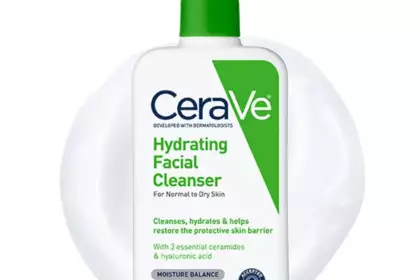
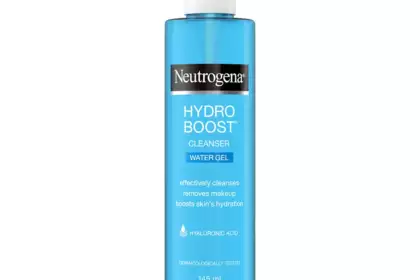
Lukewarm water is preferred over hot, which can inflame sensitive skin. Gentle, circular massage with fingertips — rather than aggressive scrubbing — lifts debris while respecting the skin’s delicate surface. Widely recommended options in the U.S. include the CeraVe Hydrating Facial Cleanser (around $15), the La Roche-Posay Toleriane Hydrating Gentle Cleanser (around $19), and the Neutrogena Hydro Boost Hydrating Cleansing Gel (around $10).

Layer in Hydration With a Toner
Once associated with astringents that tightened pores by stripping moisture, toners have undergone a full reinvention. In the glass skin context, a hydrating toner is the first true layer of glow-building moisture, applied immediately after cleansing to prep skin for everything that follows.
The most effective formulations lean on ingredients like hyaluronic acid, which draws water into the skin; glycerin, which seals it in; and botanical extracts like aloe vera, which calm inflammation. Applying toner with clean hands — rather than a cotton pad — is a small but meaningful shift that minimizes product absorption into the pad and maximizes what reaches your face.
Recommended toners include:
- Klairs Supple Preparation Facial Toner — around $22, balances hydration and pH
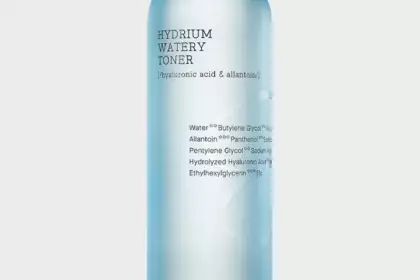
- COSRX Hydrium Watery Toner — around $29, lightweight and moisturizing
Treat Skin With a Targeted Serum or Essence
If cleansing and toning prepare the skin, serums and essences are where glass skin is truly built. These concentrated formulas deliver active ingredients directly to the deeper layers of the skin, addressing texture, tone, and overall radiance at a cellular level.
Key ingredients to seek out include niacinamide, which minimizes the appearance of pores and evens skin tone; vitamin C, a potent brightening agent that can fade post-inflammatory dark spots; peptides, which support firmness and elasticity; and hyaluronic acid for deep, lasting hydration. Patting — never rubbing — product into the skin reduces friction and improves absorption.
Popular choices include:
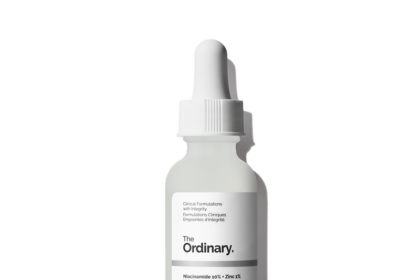
- The Ordinary Niacinamide 10% + Zinc 1% — around $6, minimizes pores and balances oil
- SkinCeuticals C E Ferulic Serum — around $166, a high-performance antioxidant brightener
Seal It All In With Moisturizer and Sunscreen
Moisture layering culminates with a good moisturizer that seals in the hydration built up through prior steps. For the glass skin aesthetic, lightweight gel or water-based formulas tend to perform best — they deliver visible plumpness without the heaviness or shine of richer creams. The Neutrogena Hydro Boost Water Gel (around $20), the Belif The True Cream Aqua Bomb (around $38), and the CeraVe PM Facial Moisturizing Lotion (around $15) are among the most consistently praised options. A thin layer of facial oil applied over moisturizer at night can amplify the glow effect.
Sunscreen, meanwhile, is not optional. Sun damage is one of the leading causes of dullness, hyperpigmentation, and premature aging — all of which work against the glass skin effect. A broad-spectrum SPF applied every morning, regardless of cloud cover, is the single most impactful long-term investment in skin clarity. Dermatologist-endorsed options like EltaMD UV Clear Broad-Spectrum SPF 46 (around $39), La Roche-Posay Anthelios Melt-in Milk Sunscreen SPF 60 (around $37), and Supergoop! Unseen Sunscreen SPF 40 (around $34) offer strong protection with minimal residue or white cast.
The Glow Lifestyle: Beyond the Glass Skin Bottle
Products alone cannot guarantee glass skin. Sleep, diet, stress levels, and hydration all influence how skin appears on any given day. Gentle chemical exfoliation — using alpha hydroxy acids (AHAs) or beta hydroxy acids (BHAs) once or twice a week — helps slough away dead skin cells that can make the complexion appear dull or textured, allowing subsequent products to absorb more effectively. Over-exfoliation, however, is a common pitfall that can compromise the barrier and reverse any progress.
For those who want to amplify the look for special occasions, a dew-focused highlighter applied to the high points of the face — cheekbones, brow bone, the bridge of the nose — can convincingly replicate the glass skin effect even on days when the routine has not fully delivered.
Perhaps the most important lesson the glass skin trend imparts is a philosophical one. Radiance is not about perfection; it is about health. People with naturally drier or more textured skin may never achieve literal mirror-like reflectivity — but they can absolutely achieve luminous, glowing, visibly healthy skin. The goal is not to look like a filter. It is to look like the best version of yourself.

