



Millions worldwide struggle with this common nutritional gap—here’s how to fix it
Iron deficiency remains the world’s most widespread nutritional crisis, silently affecting millions who may not even realize their fatigue and brain fog stem from inadequate levels of this essential mineral. While the body requires iron for everything from oxygen transport to cognitive function, achieving optimal intake demands more than simply eating the right foods—it requires strategic nutrition.
Understanding the Two Faces of Iron
The body processes iron in fundamentally different ways depending on its source. Heme iron, derived from animal products, enters the bloodstream with remarkable efficiency. Non-heme iron, the plant-based variety, proves more challenging for the digestive system to absorb. Nutrition experts emphasize that combining these forms creates a synergistic effect, with heme iron actually facilitating the absorption of its plant-based counterpart. This biochemical partnership makes mixed diets particularly effective for maintaining healthy iron levels.
Strategic Food Choices for Maximum Iron
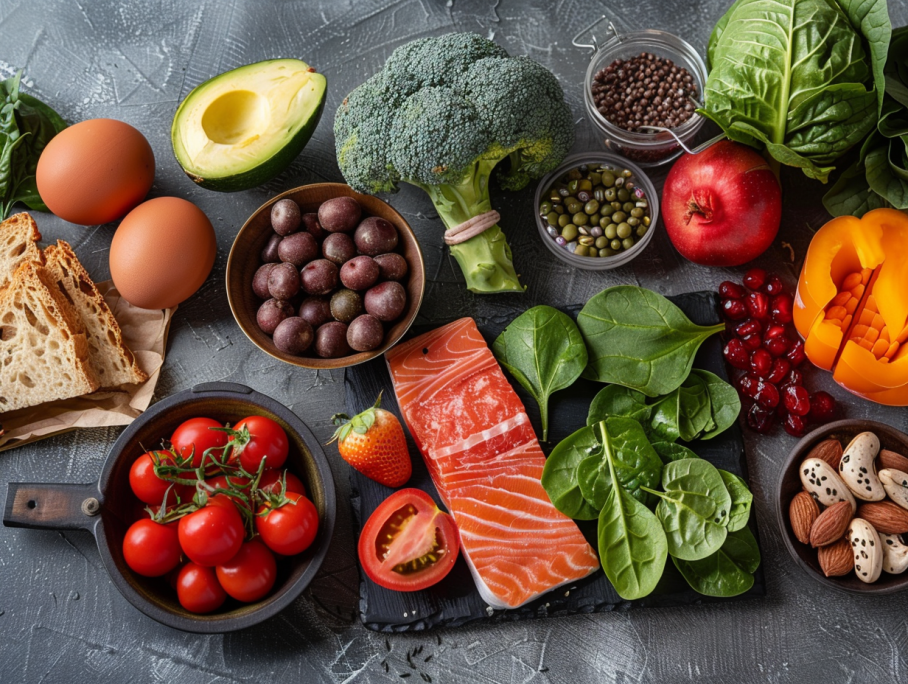
Building an iron-rich diet starts with selecting nutrient-dense options. Red meat, poultry, and seafood deliver highly bioavailable heme iron, while beans, lentils, and tofu provide substantial plant-based alternatives. Dark leafy greens like spinach contribute both iron and complementary nutrients that support overall health. Surprisingly, dark chocolate also makes the list, offering a more indulgent path to better nutrition.
The key lies not just in consuming these foods, but in understanding their relative potency. Animal sources consistently outperform plant options in terms of absorption rates, making them particularly valuable for individuals with diagnosed deficiencies or increased needs.
The Vitamin C Connection
Pairing strategies can dramatically amplify iron absorption from plant sources. Vitamin C acts as a powerful enhancer, transforming poorly absorbed non-heme iron into a more bioavailable form. This scientific principle translates into practical meal combinations: beans paired with tomatoes, spinach served alongside strawberries, or tofu dressed in citrus-based sauces.
These combinations prove especially critical for vegetarians and vegans, who face higher deficiency risks due to their reliance on non-heme sources. A strategically planned plant-based diet can meet iron needs, but it requires more intentional food pairing than omnivorous approaches.
Hidden Sources and Kitchen Hacks
Cast-iron cookware offers an unexpected advantage in the quest for adequate iron. When acidic ingredients simmer in these traditional pots, they leach small quantities of iron into the food itself. Tomato-based sauces, soups, and curries prepared in cast iron naturally fortify themselves, providing supplemental intake without dietary changes.
Meanwhile, food manufacturers have created another solution through fortification. Breakfast cereals, bread, pasta, rice, plant-based milks, and even some tofu products now contain added iron. These affordable, widely available options make it easier for households across income levels to meet daily requirements. Reading nutrition labels reveals which everyday staples can contribute meaningfully to iron status.
What Undermines Your Efforts
Achieving adequate iron intake isn’t solely about addition—it also requires careful subtraction. Calcium and zinc supplements compete with iron for absorption pathways in the digestive tract, as do the tannins found in coffee and tea. Timing matters considerably: spacing calcium or zinc supplements at least two hours away from iron-rich meals preserves absorption efficiency. Similarly, saving that morning coffee for mid-morning rather than alongside breakfast protects the iron in fortified cereals or eggs.
When Food Isn’t Enough
Despite best efforts, some individuals cannot correct deficiency through diet alone. Women with heavy menstrual cycles, teenage girls experiencing rapid growth, and committed plant-based eaters often require supplementation. Standard oral supplements work for most people, though they can cause digestive discomfort. For severe cases or those who cannot tolerate pills, intravenous infusions deliver iron directly into the bloodstream, bypassing absorption issues entirely.
Medical supervision becomes essential when supplements enter the picture. Excessive iron accumulation poses its own health risks, making professional guidance critical for safe, effective supplementation.
Why This Matters Now
The consequences of iron deficiency extend far beyond simple tiredness. This mineral powers oxygen delivery to every cell, fuels energy production at the cellular level, supports immune defense, enables hormone creation, and proves essential for brain development and function. Insufficient levels manifest as persistent fatigue, unexplained weakness, frequent headaches, diminished concentration, and reduced exercise tolerance.
These symptoms often develop so gradually that people adapt to diminished capacity, accepting fatigue as normal rather than recognizing it as correctable. Blood tests provide definitive answers, making medical consultation valuable for anyone experiencing persistent low-energy symptoms.
The path to optimal iron status combines knowledge with action—choosing the right foods, pairing them strategically, avoiding absorption inhibitors, and seeking medical guidance when needed. Given iron’s fundamental role in human vitality, addressing deficiency represents one of the most impactful nutritional interventions available.

