



Pantry staples promising a brighter smile sound almost too good to be true. Here’s what actually works.
A dazzling smile has always been the ultimate accessory — and while professional whitening treatments deliver results, they also come with a price tag that can make anyone wince. Enter: your kitchen. From baking soda to activated charcoal, everyday pantry staples have become the unlikely heroes of the at-home beauty routine. But before you start scrubbing with turmeric, there are some things worth knowing.
Natural whitening methods are never a substitute for consistent dental care, but when used mindfully, certain ingredients may help lift surface stains and give your smile a subtle refresh. Here’s a breakdown of the kitchen hacks worth trying — and how to do it safely.
Baking Soda Is Still the Gold Standard
Of all the DIY options out there, baking soda remains one of the most trusted. Its mild abrasive texture works to scrub away surface stains left behind by coffee, tea, and certain foods — without requiring a trip to the dentist.
How to use it:
- Mix a small amount of baking soda with water to form a paste.
- Brush gently for about one minute.
- Rinse well and follow up with your regular toothpaste.
Because of its abrasive nature, limit this to once or twice a week to protect your enamel. Consistency is key — but so is restraint.
Whitening Through Oil Pulling
Oil pulling may sound like a wellness-world buzzword, but this ancient oral health practice has real staying power. Coconut oil, in particular, is a popular choice thanks to its antimicrobial properties. Swishing oil around the mouth may help reduce bacteria and plaque buildup — both of which can contribute to dullness and discoloration over time.
How to try it:
- Take one tablespoon of coconut oil.
- Swish it around your mouth for 10 to 15 minutes.
- Spit it out and rinse with warm water.
- Brush your teeth as usual afterward.
Don’t expect a dramatic bleaching effect — this one is more about long-term maintenance than instant results.
Surprising Whitening Ingredients in Your Fridge
Some of the most effective stain fighters are hiding in plain sight. Strawberries, for instance, contain malic acid — a natural compound that may help break down surface stains. Mash one ripe strawberry, combine it with a small pinch of baking soda, apply it to your teeth for about a minute, then rinse thoroughly and brush. Because of the natural sugar and acid content, reserve this treat for occasional use only.
Crunchy fruits and vegetables also pull quiet duty in your whitening routine. Apples, carrots, and celery act like natural toothbrushes — gently clearing away debris, stimulating saliva production, and reducing plaque buildup with every bite. They won’t transform your smile overnight, but as part of a balanced diet, they absolutely contribute to its brightness.
Activated Charcoal and Turmeric: Trendy but Tricky
Two of the more unexpected entries in the natural whitening space — activated charcoal and turmeric — have both earned devoted followings, and for somewhat understandable reasons.
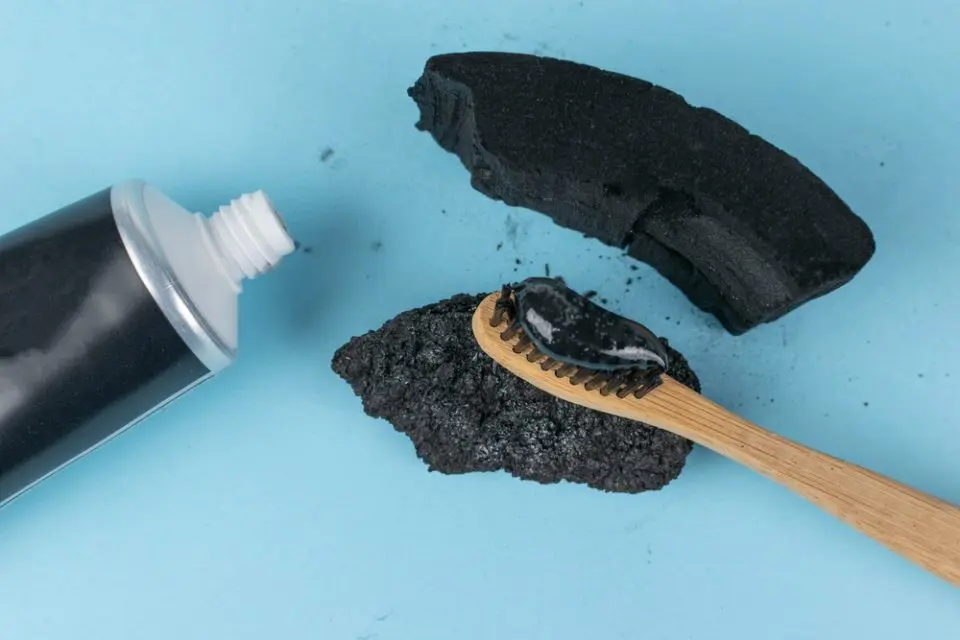
Activated charcoal’s porous texture allows it to bind to surface stains, making it a surprisingly effective occasional treatment. Wet your toothbrush, dip it lightly into the charcoal powder, brush gently for about a minute, and rinse thoroughly. Because it’s abrasive, daily use is a hard no.
Turmeric, despite its famously vivid yellow hue, is another option some swear by. It contains anti-inflammatory and antibacterial compounds that may support gum health. Mix the powder with coconut oil to create a paste, brush gently, and rinse well. Fair warning: it will stain your toothbrush bristles — and anything else it touches — so proceed accordingly.
Apple Cider Vinegar: Use With Caution
Apple cider vinegar has claimed a spot in nearly every natural health conversation, and teeth whitening is no exception. Its mild acidic properties make it a potential surface stain remover. Dilute a small amount with water, swish briefly, then rinse thoroughly with plain water. The emphasis here is on “sparingly” — frequent use can weaken enamel, which is the opposite of what anyone wants.
The Bottom Line on Whitening Naturally
Kitchen hacks for teeth whitening are best viewed as a complement to your existing dental routine — not a replacement. Ingredients like baking soda, coconut oil, strawberries, and activated charcoal can gradually help reduce minor staining when used responsibly. But a few non-negotiables still apply:
- Avoid overuse — excessive abrasion or acid exposure damages enamel.
- Brush and floss daily without exception.
- Limit staining culprits like coffee, tea, red wine, and tobacco.
- See your dentist regularly for cleanings that go deeper than any DIY remedy can reach.
Natural remedies work slowly and subtly. With patience, good habits, and a smart selection of pantry staples, a brighter smile may already be closer than you think.

