


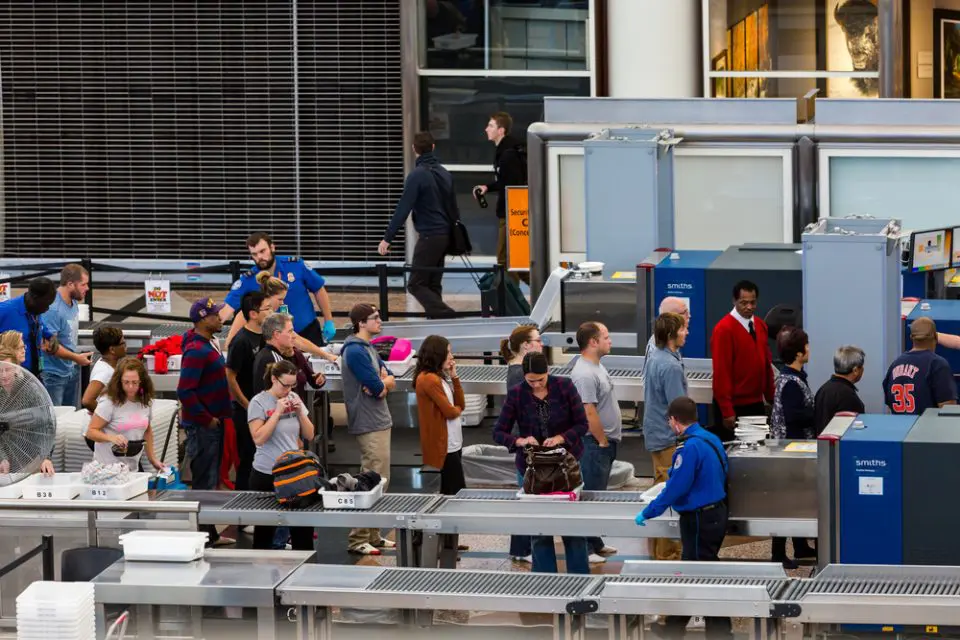

Smart travelers are ditching long lines — these expert-backed strategies show how
Airport security has become something of a national ordeal. Between government disruptions, peak travel surges, and an increasingly strained airline industry, the journey from curb to gate—especially through TSA checkpoints—can feel less like a prelude to adventure and more like a bureaucratic gauntlet. The good news? A handful of programs — some paid, some free — can turn that gauntlet into a brisk walk.
During peak travel windows, including holiday weekends and storm-related rebooking scrambles, wait times at major hubs can stretch well past two hours. Industry professionals say preparation is the single greatest variable a traveler can control.
5 Programs That Put You Ahead of the Line
1. TSA PreCheck
The foundational choice for domestic travelers, TSA PreCheck grants access to a separate, expedited screening lane at more than 200 airports across the United States. Members bypass the standard ritual of removing shoes, laptops, and liquids — a meaningful convenience during high-traffic travel seasons.
Enrollment requires an in-person appointment, a fingerprint-based background check, and valid documentation proving identity and citizenship. Once approved, members receive a Known Traveler Number to attach to their flight bookings.
- Online application required
- In-person enrollment at a designated location
- Fingerprints, photo, and criminal background check
- Valid identity and citizenship documents
- Enrollment fee starting at $76.75
- Approval typically within three to five days
- Valid for five years
2. TSA PreCheck Touchless ID
Launched in spring 2026, the TSA PreCheck Touchless ID program layers facial comparison technology onto the existing PreCheck framework, allowing enrolled members to move through identity screening without physical document checks. The program is available at dozens of participating airports and is opt-in through five airlines: Alaska, American, Delta, Southwest, and United.
Enrollment can be completed online or at check-in, and a dedicated indicator appears on the boarding pass once activated.
- Requires existing TSA PreCheck enrollment and a valid KTN
- Opt-in through a participating airline
- No additional fees or paperwork required
3. Clear+
Clear+ operates differently from TSA PreCheck. Rather than offering a streamlined screening process, it moves members to the front of the existing security line — an advantage that depends entirely on whether a participating pod or eGate is available at the traveler’s terminal.
At $209 per year, Clear+ is the most expensive of the major programs, and its availability is limited to just over 50 airports. When combined with PreCheck, it can significantly reduce time spent waiting in the PreCheck lane itself — but as a standalone option, its value is less consistent.
Children may accompany enrolled adults in the Clear+ lane at no charge.
- Must be 18 or older to enroll
- Valid Real ID-compliant photo ID or passport required
- Fingerprints, photo, and iris scan
- No background check
- $209 annual fee
- Compatible with TSA PreCheck
- Includes partner perks through Clear Perks
4. Global Entry
For travelers who regularly cross international borders, Global Entry stands in a category of its own. Administered by U.S. Customs and Border Protection, it expedites re-entry into the United States using biometric screening — a process that typically takes under 15 seconds and requires no passport presentation at the kiosk.
Crucially, Global Entry automatically includes TSA PreCheck, making it the most cost-efficient bundle for travelers who split time between domestic and international routes. The catch: in-person interviews are required, and appointment availability can be limited — particularly during periods of government funding disruptions.
An Enrollment on Arrival option exists for conditionally approved applicants, eliminating the need for a scheduled interview.
- Online application and in-person interview
- Criminal background check and biometrics
- $120 enrollment fee, valid for five years
- Available at major airports and U.S. land borders
- Processing times range from two weeks to over 12 months
- All travelers — including minors — must hold individual approval
5. Local Airport Reserve Programs and Trusted Traveler Options
Several major airports now offer free, reservation-based access to security lanes. Seattle-Tacoma International’s SEA Spot Saver, for instance, allows travelers to reserve a position in the TSA line up to five days before departure. Similar programs operate at Orlando International (MCO Reserve) and Denver International (DEN Reserve).
For travelers who frequently cross into Canada, the Department of Homeland Security’s Nexus program offers a comparable trusted traveler solution at a lower cost than Global Entry.
7 Free Ways to Move Faster Through Airport Security
Paid programs aren’t the only path through a crowded terminal. These no-cost strategies can trim meaningful minutes off the airport experience — no enrollment required.
1. Check in online. Downloading a mobile boarding pass before arriving eliminates one of the most avoidable queues at the airport.
2. Verify your booking details in advance. Name mismatches between a booking and a government ID can cause cascading delays. Confirming that a KTN is attached to a reservation is equally important — approval alone does not activate PreCheck or Global Entry benefits at the gate.
3. Travel carry-on only. Skipping checked baggage removes one of the most time-consuming steps in the departure process — and ensures luggage stays accessible if flight plans change unexpectedly.
4. Review TSA packing guidelines before leaving home. Prohibited items and unsorted liquids remain among the most common reasons travelers are pulled out of line for additional screening.
5. Dress for the checkpoint. Metal-heavy accessories, lace-up boots, and bulky outerwear slow down the conveyor belt process. Slip-on shoes and simple clothing reduce friction at the screening lane.
6. Travel midweek or during the offseason. Weekday flights and January-through-March travel windows tend to be less congested — and frequently less expensive.
7. Track TSA wait times. The MyTSA mobile app provides real-time wait estimates at airports nationwide, helping travelers calibrate their arrival time with greater precision.
Source: yahoo!travel

