


The most effective fast-acting methods are neither expensive nor secret. They just require knowing which tool to reach for — and when.
Acne affects an estimated 50 million Americans annually, yet most people still treat it reactively — reaching for whatever is nearest on the shelf after a breakout has already taken hold. The problem is not a shortage of products. It is a shortage of strategy. A handful of inexpensive, widely available tools can make a visible difference in a matter of hours; used together consistently, they can change the skin over weeks. The distinction between fast results and lasting results, however, is where most routines quietly fall apart.
The Overnight Patch That Flattens a Pimple by Morning
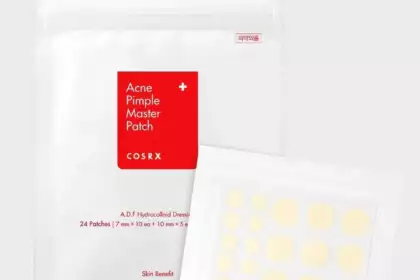
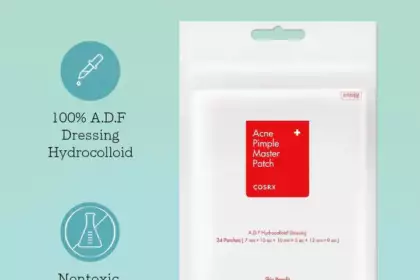
Hydrocolloid patches — small adhesive dots originally developed for wound care — have become one of the most consistently recommended fast-acting acne interventions available without a prescription. Applied directly to a blemish before bed, they work by drawing fluid out of the pimple while sealing the area against picking, a habit that significantly worsens scarring.
The COSRX Acne Pimple Master Patch, available for around $7 to $8 at most major retailers, is among the most widely recommended options in this category. By morning, the patch typically turns opaque — a sign that it has absorbed fluid from the blemish — and visible swelling is reduced. Dermatologists generally confirm what many skin-care devotees noticed years ago: for surface-level, white-tipped pimples, hydrocolloid patches are among the most effective overnight solutions available. They are not, however, a match for deeper, cystic breakouts. That distinction matters.
The Acne Ingredient Dermatologists Actually Agree On
Benzoyl peroxide is clinically proven to kill acne-causing bacteria on contact and remains one of the fastest-acting over-the-counter options for inflamed, painful spots. It reduces both redness and swelling over the course of a few days while helping to prevent new breakouts from forming — a dual action that makes it more powerful than most alternatives for active, infected pimples.
Paula’s Choice CLEAR Daily Skin Clearing Treatment, formulated at a 2.5 percent concentration, is frequently cited as the smarter entry point for sensitive skin. Studies have shown that lower concentrations perform nearly as well as stronger doses while causing significantly less dryness and irritation — a trade-off most dermatologists now actively endorse. One practical note that packaging rarely includes: benzoyl peroxide will bleach fabric, making white pillowcases and old towels a sensible precaution.

Salicylic Acid Works — Just Not the Way Most People Use It
Where benzoyl peroxide targets bacteria beneath the skin, salicylic acid — a beta-hydroxy acid — dissolves oil and dead skin from inside the pore itself. It is the more effective tool for congestion: blackheads, persistent whiteheads and the kind of textured skin that never quite resolves but never fully clears. Applied daily in a cleanser or leave-on treatment, it reduces future breakouts over time. Used only on existing spots, or skipped between uses, it delivers little of that benefit. Consistency is not optional with this ingredient — it is the mechanism.
The Free Fix That Buys Time When Nothing Else Can
Ice does not clear acne. But applied in short intervals — wrapped in a clean cloth, pressed gently for five to eight minutes — it constricts blood vessels, reducing redness and swelling fast enough to matter before a meeting, a photograph or an event. It is the kind of intervention that seems too simple to belong in the same conversation as clinical skin-care ingredients, yet it earns its place precisely because it works when nothing else has time to.
Why an Acne Routine Outperforms Any Single Product
The most reliable skin-care advice is also the least exciting: consistency wins. Cycling through new products every week, hoping for a faster result, resets the clock every time and is the single most common reason treatments fail. A straightforward daily routine that pairs fast action with long-term skin health tends to outperform any individual product used in isolation.
Morning
- Gentle cleanser
- Salicylic acid product (for congestion-prone skin)
- Non-comedogenic moisturizer
- Broad-spectrum sunscreen — daily, without exception
Evening
- Gentle cleanser
- Benzoyl peroxide on active breakouts
- Hydrocolloid patch on any visible pimples
- Moisturizer to restore the skin barrier
Sunscreen belongs in the morning routine regardless of skin tone, but it carries particular weight for darker skin. Post-inflammatory hyperpigmentation — the dark marks left after a blemish heals — is significantly more pronounced in Black skin, and sun exposure is a primary factor in deepening and prolonging those marks. No acne treatment works well in the absence of sun protection.
If breakouts do not respond after eight to 12 weeks of consistent treatment, the type of acne may be the issue rather than the routine. Hormonal acne, fungal acne and barrier-related breakouts each require different approaches, and over-the-counter products were not designed for all of them. A dermatologist visit — and possibly a prescription retinoid, oral medication or hormonal therapy — may be where the real answer lies.
There is no single fix that works for everyone. But the methods above are among the most studied and most consistently recommended interventions available without a prescription. What makes them work is not novelty. It is knowing when to use them — and the discipline to keep going.

