


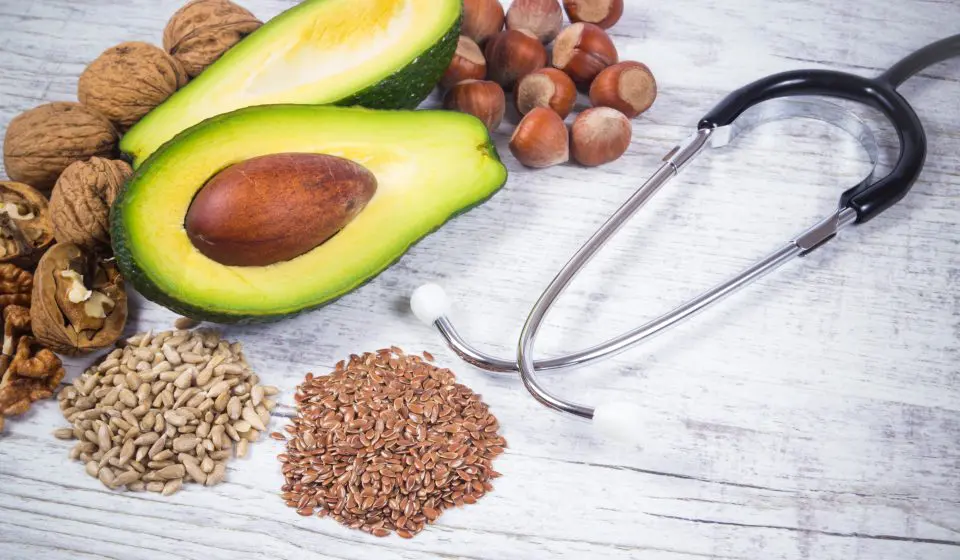

A dietitian breaks down the surprising truth behind one of America’s most beloved foods — and when your green obsession might be working against you.
The Fruit Most People Forget Is a Fruit
It sits at the center of brunch culture, dominates social media feeds, and has become something of a personality trait for an entire generation of eaters. But behind the creamy, Instagram-worthy slices, a genuine question lingers: Is eating an avocado every single day actually doing your body any favors?
For registered dietitians, the inquiry is almost routine. The honest answer, as with most things in nutrition, resists a simple yes or no — it hinges on context: what else is on the plate, how much is being consumed, and what the rest of the day looks like nutritionally.
Before diving in, a satisfying piece of food trivia worth knowing: avocados are technically a fruit — a single-seeded berry, to be precise. And Americans, broadly speaking, are not eating nearly enough of it. The Centers for Disease Control and Prevention recommends adults consume between one and a half and two cups of fruit daily. Most people fall well short of that benchmark. For anyone struggling to meet that threshold, avocados offer a legitimate, delicious shortcut — provided you’re mindful of serving size. Nutritionists typically define one serving as roughly one-third of a medium Hass avocado.
The Nutritional Case for Avocado
There is a reason avocado has earned near-permanent superfood status. Its nutritional profile is genuinely impressive, spanning several key dimensions of health.
Heart Health and Healthy Fats
What distinguishes avocados from most other fruits is their fat content. Rather than carbohydrates, avocados derive the bulk of their calories from monounsaturated fats — primarily oleic acid, the same compound behind olive oil’s well-documented heart-protective reputation. Research suggests that swapping energy from solid fats and added sugars for the caloric equivalent of one daily avocado may improve cardiometabolic markers, including reductions in triglycerides and non-HDL cholesterol — a meaningful trade-off for anyone mindful of cardiovascular risk.
Gut Health and Fiber
Avocados are a surprisingly rich source of fiber, supporting digestive regularity, moderating blood sugar responses after meals, and contributing to prolonged satiety. One study found that daily avocado consumption — even without any reduction in total caloric intake — led to measurable increases in gut microbiota diversity, an effect especially pronounced in participants with otherwise lower-quality diets. A diverse gut microbiome has been consistently linked to stronger immune function and improved metabolic health.
Vitamins, Minerals, and Avocado’s Potassium Edge
Avocados contain meaningful quantities of vitamins K, E, C, and several B vitamins, while also ranking among the better dietary sources of potassium — surpassing even the banana. Potassium plays a central role in healthy blood pressure and proper muscle function. Analysis of national dietary data confirms that regular avocado consumers tend to have higher overall intakes of key nutrients, including dietary fiber, healthy fats, and carotenoids like alpha-carotene and beta-cryptoxanthin.
When the Habit Might Backfire
For all its merit, avocado is not without caveats. The primary concern is caloric density. A whole medium avocado contains approximately 240 calories — considerably more than most other fruits. For individuals whose daily intake already skews high in fat or calories, adding a full avocado each day without adjusting elsewhere can quietly push total energy consumption beyond what the body needs.
People managing kidney disease or following potassium-restricted diets should also consult a physician before making avocado a daily staple. For the average healthy adult, however, these concerns are largely situational.
Why Diet Quality Beats Any Single Food
The most important thing a dietitian can offer here is perspective: no single ingredient — however nutrient-dense — can compensate for a diet that lacks variety and balance. An avocado cannot outperform a pattern of eating that consistently falls short elsewhere. And skipping it for a week will not undo a diet that is otherwise thoughtfully constructed.
What matters is the totality of the plate. Daily avocado consumption paired with a diverse, colorful diet is genuinely excellent. But if avocado becomes the sole plant food anchoring an otherwise monotonous routine, it begins to crowd out the benefits that only variety can provide — the antioxidants in berries, the vitamin C in citrus, the distinct fiber profiles found in apples, bananas, and stone fruits.
The golden rule of practical nutrition remains unchanged: variety is the real superpower.
The Bottom Line on Avocado
For most healthy adults, eating an avocado every day is not only safe but genuinely beneficial — provided it fits sensibly within total caloric and nutritional intake. The evidence supporting its role in heart health, digestive function, and nutrient density is solid.
Enjoy it. Spread it, slice it, blend it. Just make sure the rest of the plate is equally as interesting.
Source: Delish

