


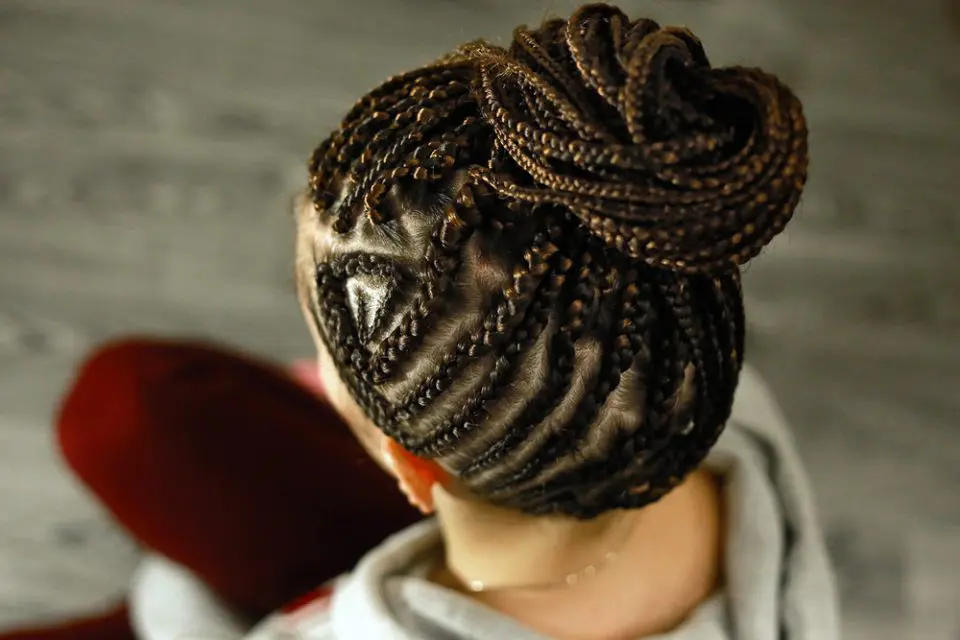

New research reveals braiding hair and wigs may carry more risk than beauty
Black women’s hair extensions and braiding products are once again facing scrutiny, and this time the findings are even more alarming than before.
A fresh wave of concern is rippling through the beauty community after a new study confirmed what many have long suspected: the synthetic hair products marketed heavily to Black women may be doing far more harm than good.
The Latest Findings on Extensions
This isn’t the first time these products have come under fire. Back in March 2025, a Consumer Reports investigation examined popular synthetic braiding brands, including Sensationnel and Shake-N-Go, and discovered multiple carcinogens linked to serious illnesses like acute myeloid leukemia, along with respiratory irritation.
Now, a new study published in the journal Environment & Health and conducted by the Silent Spring Institute has taken things a step further. Researchers tested 43 synthetic and human hair extension products purchased both online and from local beauty supply stores. What they uncovered was troubling: chemicals typically found in pipes, pesticides, and floor tiles were present in the very products millions of women wear close to their scalps every day.
What’s Actually Inside These Products
Among the substances detected were flame retardants, pesticide residues, and compounds used to stabilize plastics. Some of these chemicals have been associated with birth defects, cancer, and reproductive health issues, while others have been connected specifically to breast cancer risk.
For a community that has already voiced frustration over the beauty industry’s track record with harmful ingredients, this latest research adds fuel to a growing fire. Braiding and protective styles have long been marketed as safe, low-manipulation options for Black hair, making these revelations especially unsettling.
Experts Weigh In on Reducing Risk
Elissia Franklin, a research scientist and the study’s lead author, offered some practical guidance for women looking to protect themselves without abandoning their favorite styles altogether. She recommended searching for products labeled “non-toxic” or “toxic-free” whenever possible. Franklin also pointed to early evidence suggesting that rinsing hair with apple cider vinegar may help reduce the amount of harmful chemicals present, though she noted that research on this method remains limited.
Dr. Chris Pernell, director of the NAACP Center for Health Equity, echoed similar concerns and encouraged women to scale back how often they use these protective styles. Pernell suggested exploring safer, plant-based alternatives as a way to minimize repeated chemical exposure over time.
Why This Conversation Keeps Resurfacing
The recurring nature of these reports speaks to a larger issue: the beauty industry has been slow to prioritize transparency when it comes to products marketed specifically toward Black consumers. As more studies emerge linking synthetic extensions to serious health risks, pressure is mounting for manufacturers to reformulate products and for retailers to demand better testing standards.
For now, experts agree that awareness is the first line of defense. Reading labels carefully, researching brands before purchasing, and staying informed about ongoing research can help women make more empowered choices about the products they put on their bodies.
As this conversation continues to evolve, one thing remains clear: Black women deserve beauty products that don’t come with hidden health risks attached.
Source: The Root

