


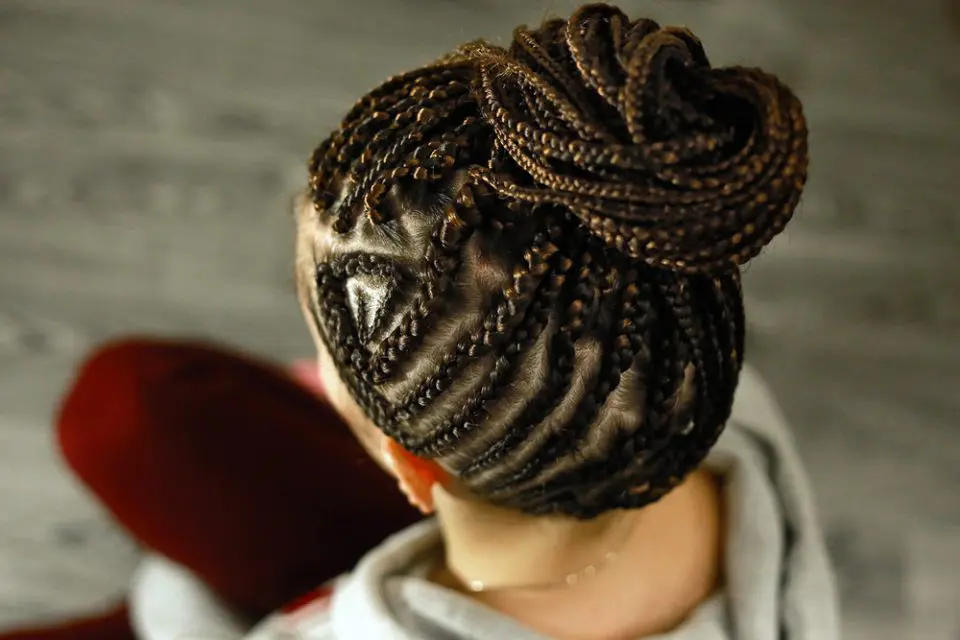

For generations, braiding has been much more than a hairstyling technique. Across Black communities, intricate braids have represented creativity, cultural heritage, personal expression and professional craftsmanship. But creating those styles can require hours of repetitive hand movements, leaving stylists with little choice but to accept the physical demands that come with the work.
Now, a new piece of technology is attempting to change that.
HaloBraid, a hair braiding device developed by engineer and inventor Yinka Ogunbiyi, is designed to help stylists complete portions of the braiding process more efficiently. Rather than replacing the stylist, the technology is intended to work alongside them, potentially shortening appointments while allowing professionals to remain in control of the creative process.
The concept comes from Ogunbiyi’s own lifelong relationship with braiding and her background in mechanical engineering.
How HaloBraid is designed to work
The device was developed around a relatively simple idea: automate the repetitive portion of braiding while leaving the creative decisions in the stylist’s hands.
A stylist begins each braid manually before HaloBraid takes over to help complete the repetitive work. The company says the device can perform the braiding motion several times faster than human hands, with the potential to significantly reduce the amount of time required for an installation.
That could have a meaningful effect on both stylists and clients. Long appointments are a familiar part of the braiding experience, particularly for intricate styles that require numerous sections of hair to be individually completed.
For professionals, reducing that repetitive workload could also create more time for other aspects of running a beauty business, from serving additional clients to focusing on education and business development.
Why the technology matters for stylists
The physical demands associated with braiding have become an important part of the conversation surrounding the profession. Hours spent repeatedly moving the hands, arms and shoulders can contribute to discomfort and strain over time.
HaloBraid was conceived with that concern in mind. Ogunbiyi began exploring the idea during the pandemic after attempting to braid her own hair and recognizing how repetitive the movements were.
Her research eventually included conversations with professional braiders, who described the physical challenges that can accompany years of performing installations.
The goal of the device is therefore not simply to make appointments shorter. It is also intended to give stylists a tool that could make their work more sustainable over the course of their careers.
The company has positioned the stylist as an essential part of the process. Professionals would continue deciding the desired style, creating braid patterns and beginning the work, while the device assists with the repetitive portion.
What it could mean for clients
Faster appointments could also change the experience for people who regularly wear braids.
HaloBraid says research involving more than 2,000 respondents found that 95% would consider getting their hair braided more frequently if the process took less time. More efficient installations could potentially make regular maintenance more manageable for clients who enjoy protective styles but find lengthy appointments difficult to fit into their schedules.
The additional time could also give stylists more opportunities to focus on the condition of a client’s hair and scalp.
Instead of dedicating nearly the entire appointment to installation, professionals could have more room to discuss preparation, maintenance and proper removal. That could make hair care an even more visible part of the braiding experience.
When HaloBraid is expected to launch
HaloBraid is preparing to officially enter the market at the end of October, when the company plans to host a live demonstration of the technology.
The device is also expected to become available to salons that have joined the company’s waitlist. According to the company, more than 7,000 locations worldwide have expressed interest.
The launch represents a notable intersection of traditional craftsmanship and modern technology. Braiding itself is not changing as a cultural practice. Instead, HaloBraid is attempting to change the amount of time and physical effort required to create it.
For an industry built on artistry, skill and generations of knowledge, the technology could introduce a new way for professionals to approach one of its most familiar techniques while keeping the human touch at the heart of the finished style.

