


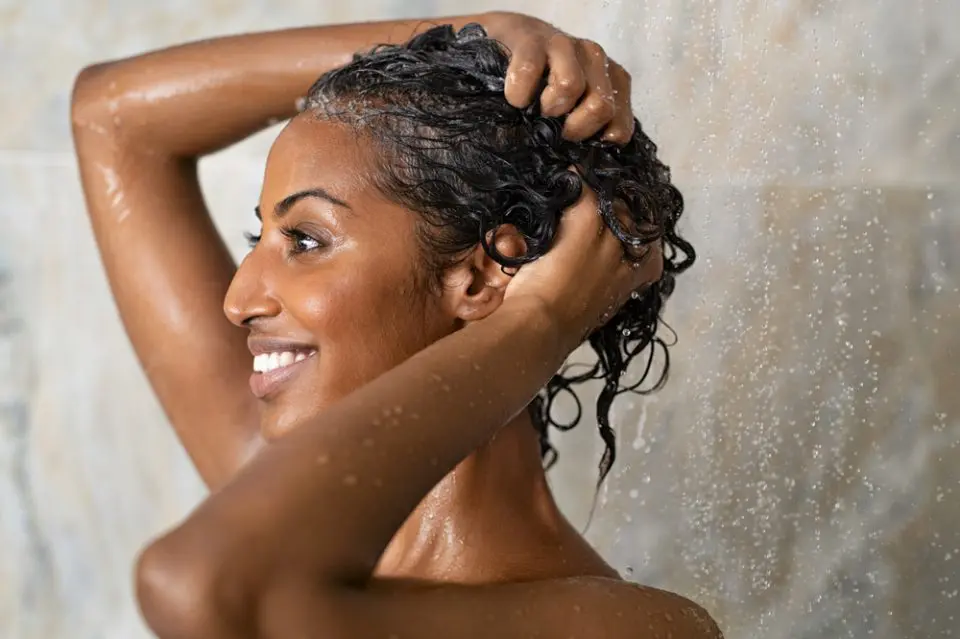

Everything you think you know about how often to shampoo could be working against your hair — here’s what the experts actually want you to hear.
Hair washing has always been one of those personal care rituals that feels deeply intuitive — until someone tells you you’ve been doing it wrong. Whether you shampoo every single day or stretch it out for a week, the truth is most of us are operating on habit, not science. And that gap between routine and reality? It might be quietly wrecking your scalp.
The Hair Training Trend That Took Over Our Feeds
Social media — TikTok in particular — has spent the last few years selling us on the idea of “hair training,” the practice of gradually washing less and less to supposedly retrain your scalp’s oil production. The concept sounds logical enough, but dermatologists and trichologists are raising red flags. Scalp specialists are reporting a rise in issues like persistent itchiness, stubborn dandruff, and grease buildup that simply won’t quit — all linked to underwashing. The viral advice may be costing more than it’s saving.
How Often Should You Actually Be Washing Your Hair?
There is no universal answer, but there are smart guidelines. Length, texture, and your personal oil tolerance all play a role in how often you need a refresh. Shorter styles tend to show buildup faster because there’s less length to absorb and distribute oil away from the scalp — meaning they generally need more frequent washing than longer ones. For those with straight to wavy hair, every two to three days tends to be the sweet spot. For naturally curly and coily textures, moisture retention is the priority, and washing at least once a week is usually sufficient.
Lifestyle matters just as much as hair type. If you’re hitting the gym regularly or relying on styling products daily, your scalp is working overtime — and waiting too long to cleanse allows sweat, product residue, and environmental pollutants to accumulate. Trichologists often compare it to skipping face wash for days after wearing a full beat. The logic holds.
Does Washing Your Hair Cause Shedding?
This one is a full myth — and it’s responsible for a lot of unnecessary scalp neglect. Shampooing your hair does not accelerate hair loss. What washing actually does is release strands that are already in the shedding phase of the natural hair growth cycle.
The Right Technique Makes All the Difference
How you wash is just as important as how often. Start by dispensing shampoo into your palms and mixing it with a little water before it ever touches your scalp — this step ensures the product distributes evenly rather than concentrating in one spot. Once applied, use your fingertips (never your nails) to massage your scalp thoroughly, paying extra attention to the hairline and crown where buildup tends to settle. Rinse longer than feels necessary.
Conditioner should be applied only to the mid-lengths and ends of your hair. Your scalp is already producing its own natural oils and does not need additional moisture layered on top — doing so can contribute to the very greasiness you’re trying to avoid.
Choosing Products That Match Your Hair’s Needs
The right shampoo and conditioner can completely change your wash-day experience. Fine or damaged hair does best with lightweight, balanced formulas that cleanse without stripping. Dry or damaged strands need serious moisture — reach for products packed with nourishing oils and proteins. If excess oil is your main challenge, shampoos formulated with salicylic acid can help regulate sebum production over time.
For curly and coily hair types, hydration is everything. Ingredients like coconut oil, aloe vera, and shea butter help maintain moisture levels and protect against dryness that can lead to breakage. The goal is always balance — clean scalp, hydrated strands.
Once you find a routine that actually works for your hair type and lifestyle, wash day stops feeling like a chore and starts feeling like a reset. And honestly? Your scalp will thank you for it.

