


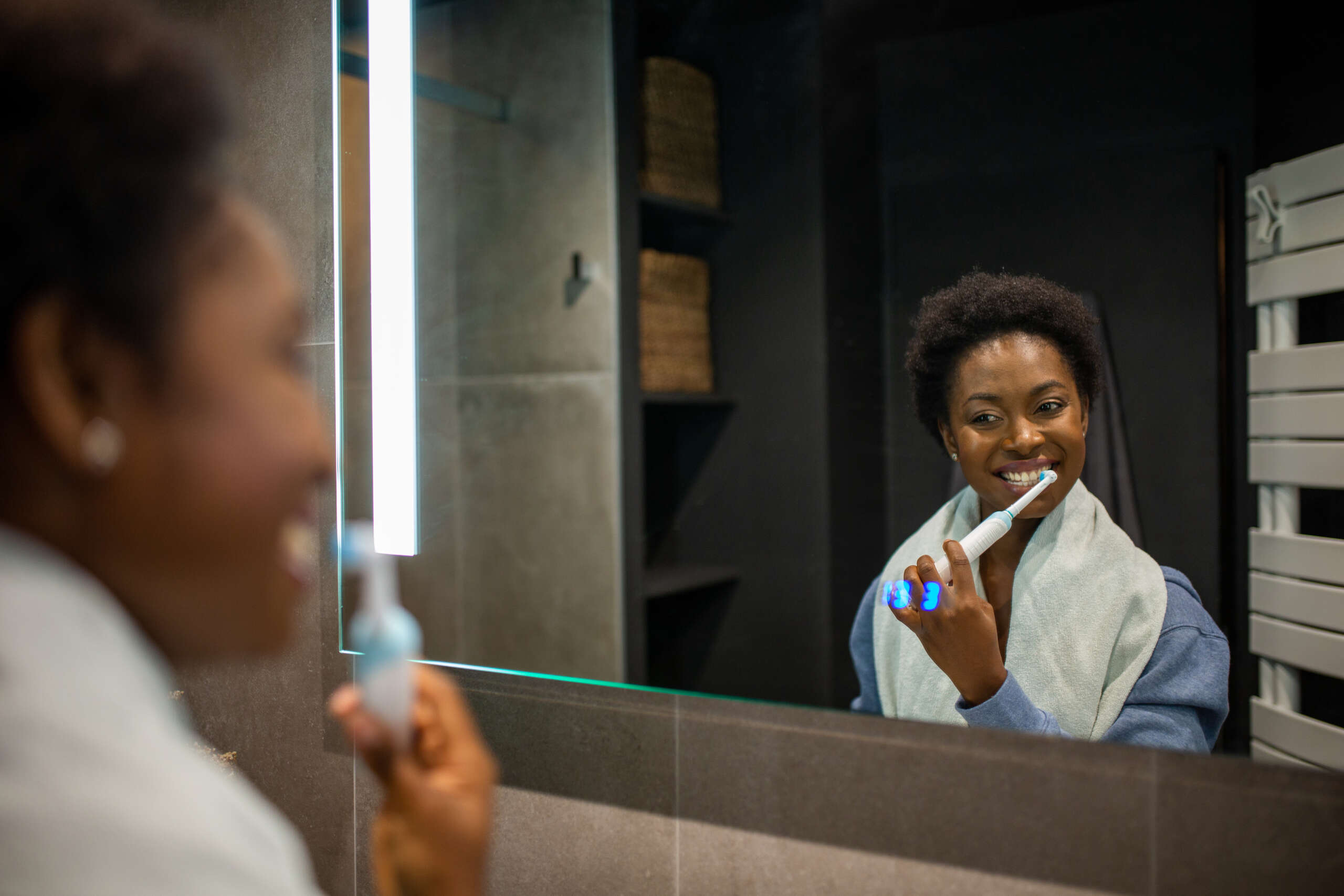
A bright smile is one of the first things people notice — and one of the last things most dental routines actually deliver. Discoloration builds gradually, driven by everyday habits that seem harmless in the moment: a morning coffee, a nightly glass of red wine, or simply going too long between dental visits. Restoring and maintaining white teeth doesn’t always require a costly in-office procedure, though. These 7 approaches, grounded in dental research, can make a real and lasting difference.
1. Upgrade to a whitening toothpaste and brush correctly
Whitening toothpastes use mild abrasives alongside low concentrations of hydrogen peroxide or carbamide peroxide to lift surface stains over time. They won’t alter the natural shade of enamel, but they are genuinely effective at removing the dull buildup that accumulates daily. Technique matters just as much as product — brushing for a full two minutes twice a day with gentle circular motions protects enamel while keeping the surface consistently clean.
2. Try oil pulling
Oil pulling — swishing a tablespoon of coconut oil around the mouth for 10 to 15 minutes — has roots in Ayurvedic tradition and growing support in modern oral health research. Studies suggest the practice reduces harmful bacteria and plaque, both of which contribute directly to staining and yellowing. It works best alongside regular brushing rather than as a replacement for it, and several weeks of consistency are typically needed before results appear.
3. Use baking soda occasionally
Baking soda is a mild natural abrasive with well-documented whitening properties, which explains why it appears as an active ingredient in so many commercial toothpastes. Applied directly — mixed with a small amount of water into a paste — it gently buffs away surface stains without the harsh chemical concentration of stronger whitening products. Limiting use to two or three times per week keeps enamel protected over the long term.
4. Rinse with diluted hydrogen peroxide
A hydrogen peroxide rinse at a concentration of 1.5% to 3% acts as a natural bleaching agent and eliminates bacteria that accelerate staining. It’s the same active ingredient found in most commercial whitening products, just in a simpler delivery form. Swishing for about 60 seconds before brushing a few times per week is one of the more accessible and affordable at-home methods available.
5. Consider whitening strips or trays
Over-the-counter whitening strips and custom-fit trays deliver a higher concentration of peroxide directly against the tooth surface, producing more visible results than toothpaste alone can achieve. Most strips are worn for 30 minutes daily over a two-week period and can lighten teeth by several shades when used correctly. Custom trays from a dentist offer a more precise fit and stronger formulas suited to deeper or more stubborn discoloration.
6. Watch what you eat and drink
Coffee, tea, red wine, soy sauce and deeply pigmented berries are among the most common sources of tooth staining. Drinking staining beverages through a straw reduces direct contact with enamel, while rinsing with water immediately after limits how long pigments linger on the tooth surface. Crunchy raw vegetables like celery and carrots also act as natural surface cleaners, gently scrubbing teeth during chewing.
7. Never skip a professional cleaning
Even the most disciplined home routine has limits. Tartar — hardened plaque that no toothbrush can remove — traps stains and creates a rougher surface where discoloration accumulates faster. A professional cleaning every six months eliminates this buildup and gives every whitening treatment a far cleaner surface to work with. A dentist can also identify underlying causes of discoloration, such as thinning enamel or internal staining, that require more targeted care than surface-level products can provide.
Consistency is the real secret
White teeth are the result of layered, consistent habits rather than a single product or treatment. Combining several of these 7 strategies, staying the course over weeks rather than days, and maintaining regular dental visits creates the kind of lasting brightness that one-time fixes simply cannot replicate.

